Showing posts with label aba piano lessons. Show all posts

Tuesday, November 5, 2013

How Get Your Kids to Practice More

Daily Practice Reinforcement

At Y Piano we love to use positive reinforcements to encourage consistent piano practice. Currently we use a prize bag to reward our students but this doesn't always work because many younger students have a hard time waiting & working over longer periods of time to earn the prize bag.  Additionally, older students are not always motivated by a prize bag. Thus we have come up with a more immediate solution for those parents who are having a difficult time getting their students to practice. In fact, this may eliminate the need for "nagging" which we know parents HATE to do! It's much better for everyone if students take the initiative to practice every day on their own.  

We have tested out a pilot program with a few student families with spectacular results! We took a few students who may love piano lessons, but hate to practice and either refuse and argue with the parents about practicing or conveniently forget to practice on a daily basis. We eliminated "punishment" and empty threat tactics (because they don't work and the students just get more upset) and replaced them with daily positive reinforcement reward boxes.
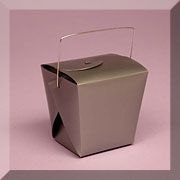
Here's what you need:
-Reusable small plastic gift box (pictured below)
-Raffle type tickets
-5 Gold coins
-Tiny toys and candy (i.e. such as you would find at places like Party City)
-Timer
(For anyone who doesn't want to go through the trouble of gathering the materials, we can provide you with a starter reward set for $20)

Here's how it works:
1. Determine a base time of how much we want the student to practice such as 5 minutes

2. Explain to the student that if they practice the homework we actually assigned (not just old easy songs) until the timer beeps, they will receive a mystery prize.

3. Each day put something in the prize box, either a tiny toy/candy or a gold coin or a raffle ticket.

-On the raffle ticket you can write some small reward that you can offer that day or at a later date that they can redeem such as ice cream, 30 extra minutes of TV or video games, 30 extra minutes of staying up late, trip to the park, having a playdate, get out of a chore etc.

-Or put a gold coin (RARELY). If they collect five gold coins, they get a big reward that you can determine. Gold coins should be rare and unexpected so really stretch them out and maybe only put them in when you see they did a fantastic job. Rewards for collecting 5 gold coins should be BIG.

Try not to be predictable in what you put in the box so the students stay excited.  Over time you want to spread out the toys and candy and reward them with more raffle tickets.

4. After successfully completing 1 or 2 weeks with your base time, bump it up by 1 minute. Now set the time for 6 minutes for example. Continue this process until the students are in the habit of practicing almost daily for at the goal time (i.e. 30 - 45 minutes for younger students, 1 hour for older students).

Wednesday, December 15, 2010

Ear Worms Suck


"My head kept humming...I drifted downtown, and presently discovered that my feet were keeping time to that relentless jingle...jingled all through the evening, went to bed, rolled, tossed, and jingled all night long."
--Mark Twain, from "A Literary Nightmare"
You probably saw the title of this blog and thought "Ew!" Well, let me reassure you...Ear worms are not real worms.....but they may be just as bad!

Have you ever had a song stuck incessantly in your head, driving you nuts? THAT's an ear worm. Some people also call it a brain worm. Whatever you call it....it still sucks.

Now can you imagine being a piano teacher that teaches the same little jingles over and over every day? The simple kind that, as a rule, always get stuck in the brain. Here is just a sampling of what runs through my mind almost on a daily basis:

Yankee Doodle
Mary Had a Little Lamb
Alouette
Twinkle Twinkle Little Star
Jingle Bells
Ode to Joy

Among others....

So far, the only technique I found helpful is to think of the song and play it from the beginning to the end in my head, forcing myself to keep moving through all the parts of the song without getting stuck on one. This works about 50% of the time. The worst is when I don't know the whole song and can't complete it.


It seems to have worked for some of my piano students, too. They often get songs stuck in their heads from practicing. I'm curious to see if anyone else has a good technique for getting rid pesky songs?
--------------------------------------------------------------------------
Yeva Delband is a piano teacher in West Los Angeles and specializes in teaching students with autism and other special needs. She has created her own method for teaching piano to very young learners and students with special needs, including ABA techniques in piano lessons.

Tuesday, November 30, 2010

"I Call This One 'Single Lady' "


It's amazing how much we sometimes underestimate and suppress kids.

Who ever said that you had to be named Mozart to compose as a little kid? And were his compositions that brilliant at that age? I beg to differ. All he did was mash together pieces of songs that he had been exposed to from an early age....there's nothing brilliant about that at all. In fact, all of my young students have done the same thing when GIVEN A CHANCE. Most teachers, I think, don't believe that little ones are capable of creating any coherent music. But they actually are, especially when they've been exposed to basic structure in songs they've played. It's just like when they learn how to speak.


I usually start out by letting the student (even as early as 3 years old) experiment with sounds for about 5 minutes during the lesson. If the banging really bothers you, bring ear plugs. But I would rather you listen how they slowly discover cause and effect and patterns.

Next, I usually get blank sheets of paper and ask them to press notes they want and I write the letters (or colors or numbers) for them. Then I let them decide on a name. It's amazing how much ownership over a piece encourages them to participate and do more composition and be more active and aware during lessons.

If the student is learning to write letters already, I then allow them to write their own letters. If you're still just using colors to denote notes, give them markers or crayons and let them draw circles of colors in the order that they make up a song.

Once they are learning how to read real music notation, I first write the notes for them but when they are comfortable I encourage them to write notes themselves.

The best part of this process is that the piano student has ownership of the activity and feels like they are directing something themselves. And of course, the titles they come up with can leave you giggling for days. One little five year old made up a song and played it for me. When I asked her what it was called, she turned her big eyes to me and disclosed: "I call this one 'Single Lady' " I was practically crying from laughter!

------------------------------
If you're looking for piano lessons in West Los Angeles or more music resources in the area, check out my site Brentwood Piano.

If you are looking for tutors & music or art instructors in Los Angeles, especially those trained and experienced in working with special needs students, check out Able Scholar.