Daily Practice Reinforcement
At Y Piano we love to use positive reinforcements to encourage consistent piano practice. Currently we use a prize bag to reward our students but this doesn't always work because many younger students have a hard time waiting & working over longer periods of time to earn the prize bag. Additionally, older students are not always motivated by a prize bag. Thus we have come up with a more immediate solution for those parents who are having a difficult time getting their students to practice. In fact, this may eliminate the need for "nagging" which we know parents HATE to do! It's much better for everyone if students take the initiative to practice every day on their own.
We have tested out a pilot program with a few student families with spectacular results! We took a few students who may love piano lessons, but hate to practice and either refuse and argue with the parents about practicing or conveniently forget to practice on a daily basis. We eliminated "punishment" and empty threat tactics (because they don't work and the students just get more upset) and replaced them with daily positive reinforcement reward boxes.
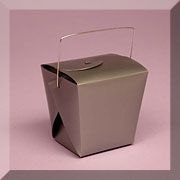 Here's what you need:
-Reusable small plastic gift box (pictured below)
-Raffle type tickets
-5 Gold coins
-Tiny toys and candy (i.e. such as you would find at places like Party City)
-Timer
(For anyone who doesn't want to go through the trouble of gathering the materials, we can provide you with a starter reward set for $20)
Here's how it works:
1. Determine a base time of how much we want the student to practice such as 5 minutes
2. Explain to the student that if they practice the homework we actually assigned (not just old easy songs) until the timer beeps, they will receive a mystery prize.
3. Each day put something in the prize box, either a tiny toy/candy or a gold coin or a raffle ticket.
-On the raffle ticket you can write some small reward that you can offer that day or at a later date that they can redeem such as ice cream, 30 extra minutes of TV or video games, 30 extra minutes of staying up late, trip to the park, having a playdate, get out of a chore etc.
-Or put a gold coin (RARELY). If they collect five gold coins, they get a big reward that you can determine. Gold coins should be rare and unexpected so really stretch them out and maybe only put them in when you see they did a fantastic job. Rewards for collecting 5 gold coins should be BIG.
Try not to be predictable in what you put in the box so the students stay excited. Over time you want to spread out the toys and candy and reward them with more raffle tickets.
4. After successfully completing 1 or 2 weeks with your base time, bump it up by 1 minute. Now set the time for 6 minutes for example. Continue this process until the students are in the habit of practicing almost daily for at the goal time (i.e. 30 - 45 minutes for younger students, 1 hour for older students).