Tuesday, November 5, 2013

How Get Your Kids to Practice More

Daily Practice Reinforcement

At Y Piano we love to use positive reinforcements to encourage consistent piano practice. Currently we use a prize bag to reward our students but this doesn't always work because many younger students have a hard time waiting & working over longer periods of time to earn the prize bag.  Additionally, older students are not always motivated by a prize bag. Thus we have come up with a more immediate solution for those parents who are having a difficult time getting their students to practice. In fact, this may eliminate the need for "nagging" which we know parents HATE to do! It's much better for everyone if students take the initiative to practice every day on their own.  

We have tested out a pilot program with a few student families with spectacular results! We took a few students who may love piano lessons, but hate to practice and either refuse and argue with the parents about practicing or conveniently forget to practice on a daily basis. We eliminated "punishment" and empty threat tactics (because they don't work and the students just get more upset) and replaced them with daily positive reinforcement reward boxes.

Here's what you need:
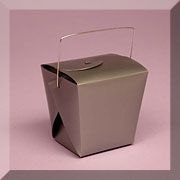
-Reusable small plastic gift box (pictured below)
-Raffle type tickets
-5 Gold coins
-Tiny toys and candy (i.e. such as you would find at places like Party City)
-Timer
(For anyone who doesn't want to go through the trouble of gathering the materials, we can provide you with a starter reward set for $20)

Here's how it works:
1. Determine a base time of how much we want the student to practice such as 5 minutes

2. Explain to the student that if they practice the homework we actually assigned (not just old easy songs) until the timer beeps, they will receive a mystery prize.

3. Each day put something in the prize box, either a tiny toy/candy or a gold coin or a raffle ticket.

-On the raffle ticket you can write some small reward that you can offer that day or at a later date that they can redeem such as ice cream, 30 extra minutes of TV or video games, 30 extra minutes of staying up late, trip to the park, having a playdate, get out of a chore etc.

-Or put a gold coin (RARELY). If they collect five gold coins, they get a big reward that you can determine. Gold coins should be rare and unexpected so really stretch them out and maybe only put them in when you see they did a fantastic job. Rewards for collecting 5 gold coins should be BIG.

Try not to be predictable in what you put in the box so the students stay excited.  Over time you want to spread out the toys and candy and reward them with more raffle tickets.

4. After successfully completing 1 or 2 weeks with your base time, bump it up by 1 minute. Now set the time for 6 minutes for example. Continue this process until the students are in the habit of practicing almost daily for at the goal time (i.e. 30 - 45 minutes for younger students, 1 hour for older students).

Monday, October 8, 2012

Teamwork, Not Nagging


So here is the number one frustration parents have about piano:


"How do I get my kid to practice without being mean or nagging? They just won't practice on their own and I'm thinking of cancelling lessons altogether. And this makes me very sad also."

 I totally get it, I was the same way as a kid. Unfortunately only a small percentage of students actually practice on their own, usually because piano is an escape for them or it has become a habit, and even then still a smaller percentage practice the correct things that were assigned. Here are a few ideas that worked for other parents:

Help them create a habit by:

1) Setting a specific time for each student's practice. 

2) Sit with the student for each practice session for about a month until it becomes a habit. Guide them through the practice, helping them figure out how many times to do a song and pointing out when they are rushing or being careless.   This might take longer for younger students. (I have one family that just makes it a point of taking turns sitting with the student every day for practice - with mom, dad or even nanny rotating turns so it's not too much work for either parent, they have done this for over a year now and the student (now in 2nd grade) has reached  level 3 songs - very fast progress!)
3) Prize bag from the teacher only works at a certain age and for only a certain amount of time. It's more effective for the parents to find something the student really wants to work for.

4) Even more effective than working toward some "bonus" reward is to take something they already have (such as TV, video game privileges or scheduled play-dates and other activities) and make them conditional based on practice. So they have to now earn something they already take for granted. But this only works if the parents really don't give in if practice doesn't happen.  People are more loss averse than gain orientated. So students will more willingly work to not lose something rather than gain something extra (just like us adults!) 

5) It's always great to find a song they are passionate about to get them excited to practice, although that doesn't always work since the songs they want might be too difficult for their level at the time. 

6) You can also try to make a suuuper big deal when they sit down and practice longer by themselves without a reminder.  It's amazing how much exuberant praise can motivate a student to do it again and again, very addicting for anyone really.  You just really have to catch every opportunity to do so.

7) Keeping in the same vein of praise, when they do practice, even after you have to remind them, praise them on specifics like "Oh, i loved  how you played that song! I really enjoyed listening to it, it made me so happy! Can you play it for me again? I would really appreciate it!"

8) Schedule concerts for the family (even just for mom and dad) and have the students sell tickets, create a program, etc...and remind them to practice for the performance. Even videotape the performance,-- it will make them want to do better since they can see themselves. Or turn playdates into scheduled concerts, kids practice more when they know they can show off to their peers. Weekly "concerts" would keep the pressure to practice at the top of their mind.

Here is another fantastic article about helping students succeed at piano:  http://piano-lessons-toronto.com/testimonials/

Friday, July 20, 2012

How Many Piano Lessons Per Week Should You Have?

Sometimes, after seeing their child super-enthused about their lessons, parents ask me if we should do more than one lesson during the week.  My answer: It depends.

Here is my quick answer:

1) If the student practices correctly throughout the week on a daily basis and does not master the material within a few days of the lesson, one lesson is enough per week.

However,

1) If your student is very young and tends to forget everything the next day (especially if there is no parent to work with them on a daily basis and practice together),
2) If you have difficulty enforcing regular practice,
3) If the student practices so much that they finish their assignment and get bored after 2 days,
4) If the lessons are not long enough to cover theory, duets, etc. because the student's attention span doesn't last past 30 minutes
5) If the student does not pay attention to correct technique and practices incorrectly all week
6) If you're in a rush to learn quickly

then a second lesson would greatly benefit the student.

From my observation in my daily teaching, these are the general reasons for my recommendations:

1) In the ideal situation, enough material can be covered during the lesson to challenge the student for the whole week with daily practice of 30 minutes to 1 hr.  But given that piano lessons tend to be shorter these days (30 minutes), we often don't cover enough for the students that really practice that much.  Also, in the ideal situation the student heeds the teachers pointers and advice on how to practice correctly with correct technique. I would rather a student not practice at all rather than practice the wrong way!

2) Some students just have a hard time absorbing everything in one 30 minute lesson. The younger students especially seem to wipe their memory clean the moment they get out of a lesson and on to the next activity. It helps if a parent is knowledgeable about the piano and can sit with the student every day and remind them of what was covered during the lesson and help them practice.

3) Many parents have a lot of difficulty enforcing daily practice of 20 minutes or more. If your student doesn't practice during the week, they completely make no progress by the next lesson and we end up using another lesson reviewing the same material.  It almost makes more sense to just schedule an extra lesson or two during the week that you may consider as "supervised practice".  Otherwise the parents rarely get to enjoy any return on the tuition they have paid for the weekly lessons.

4)  With young students, 3 days practice can mean quite a lot of progress and having lessons twice a week really keep things moving along. I find it works really well with a highly motivated child that practices so much that they finish everything I assign within a couple of days and are at risk of getting bored and losing motivation. 

5)  Often, we limit lessons to 30 minutes because the student's productive attention span doesn't last that long.  Unfortunately this does not give us enough time to go over technique, finger exercises, theory, duets, rhythm study, etc. I feel like many times my students are getting half the education I received because I can't possibly fit everything into 30 minutes. For this reason, I really do wish my 30 minutes students had lessons twice a week.  Students with 1 hour lessons don't encounter this problem.

6) Many students don't really pay attention to HOW they should practice and are often a bit on the lazy side when it comes to correct technique which is the utter backbone of playing an instrument. I don't have this problem with adult students because the understand the importance of moving their fingers and wrist and all that the way I tell them too. Kids, on the other hand, don't really understand or care and often don't want to suffer through training their hands physically to play correctly. In this case, extra lessons can prevent bad habits or incorrect playing. Imagine if the student is playing something incorrectly. It would be better if the mistake was pointed out after half a week instead of after one full week.

7) Some students are in a rush to learn quickly, for whatever reason. Since I have observed that more lessons almost always equal faster progress, in this case I would also recommend extra lessons. However, if no one is in a rush and just enjoying the experience of learning piano, there is no need for extra lessons.

Thursday, February 3, 2011

Traditional Piano Books Too Fast for Modern Students


As I have taught over the years, I noticed a troubling trend with my students in their progress with piano lessons. We would start out with a beginners book and they would do fine for the first 10 pages or so and then the curriculum would jump and my students are stuck and frustrated. There is no slow gradual build up of concepts and there is not enough repetition to master every concept introduced.

Here are some tips for piano teachers facing the same problem:

1. Don't stick to the book.

Consider the book as your guide but supplement with a lot of printouts or other books to encourage mastery of a concept before moving on to the next one. If you have to, draw your own music. For example, start with writing letters for notes on lined music paper. Once the student masters the ability to follow the letters and match them to piano keys, substitute the letter C with the musical notation for middle C. Keep the rest of the song looking the same. Do a few different examples of songs with this. When they have mastered C, substitute an additional letter with notation, such as D. Continue in this manner to ensure mastery of notes. I would suggest one letter substitution each with for young students (3-7) and two letter substitutions for older students (8-11). In this case you will see that the slow method results in faster learning and mastery. This method is especially recommended for students with autism.

2. Provide many additional songs that demonstrate the concept you are working on.

Whether you are teaching new notes, rythm or technique, stick to that concept and provide a lot of material to practice on until you see that the student has mastered it and is comfortable moving on to a new concept. The importance of providing copious amounts of additional material is that students will get bored if they practice the same song over an over. Keep it interesting with different songs illustrating the same concept.

3. Use bigger notes and lined sheets.

I cannot tell you how many students jumped in their progress when I bought them piano sheet note books with extra large spaced lines and drew big fat notes. Some kids have eyesight issues that no one knows about yet. Others are so small that it's hard to see small notes so far away from them. You want to be able to show the difference between each note and in order to do that they have to be big.
-----------------------------------------------
Yeva is a Los Angeles piano teacher that teaches in student's homes and specializes in piano lessons for autistic students.

Wednesday, December 15, 2010

Ear Worms Suck


"My head kept humming...I drifted downtown, and presently discovered that my feet were keeping time to that relentless jingle...jingled all through the evening, went to bed, rolled, tossed, and jingled all night long."
--Mark Twain, from "A Literary Nightmare"
You probably saw the title of this blog and thought "Ew!" Well, let me reassure you...Ear worms are not real worms.....but they may be just as bad!

Have you ever had a song stuck incessantly in your head, driving you nuts? THAT's an ear worm. Some people also call it a brain worm. Whatever you call it....it still sucks.

Now can you imagine being a piano teacher that teaches the same little jingles over and over every day? The simple kind that, as a rule, always get stuck in the brain. Here is just a sampling of what runs through my mind almost on a daily basis:

Yankee Doodle
Mary Had a Little Lamb
Alouette
Twinkle Twinkle Little Star
Jingle Bells
Ode to Joy

Among others....

So far, the only technique I found helpful is to think of the song and play it from the beginning to the end in my head, forcing myself to keep moving through all the parts of the song without getting stuck on one. This works about 50% of the time. The worst is when I don't know the whole song and can't complete it.


It seems to have worked for some of my piano students, too. They often get songs stuck in their heads from practicing. I'm curious to see if anyone else has a good technique for getting rid pesky songs?
--------------------------------------------------------------------------
Yeva Delband is a piano teacher in West Los Angeles and specializes in teaching students with autism and other special needs. She has created her own method for teaching piano to very young learners and students with special needs, including ABA techniques in piano lessons.

Tuesday, November 30, 2010

"I Call This One 'Single Lady' "


It's amazing how much we sometimes underestimate and suppress kids.

Who ever said that you had to be named Mozart to compose as a little kid? And were his compositions that brilliant at that age? I beg to differ. All he did was mash together pieces of songs that he had been exposed to from an early age....there's nothing brilliant about that at all. In fact, all of my young students have done the same thing when GIVEN A CHANCE. Most teachers, I think, don't believe that little ones are capable of creating any coherent music. But they actually are, especially when they've been exposed to basic structure in songs they've played. It's just like when they learn how to speak.


I usually start out by letting the student (even as early as 3 years old) experiment with sounds for about 5 minutes during the lesson. If the banging really bothers you, bring ear plugs. But I would rather you listen how they slowly discover cause and effect and patterns.

Next, I usually get blank sheets of paper and ask them to press notes they want and I write the letters (or colors or numbers) for them. Then I let them decide on a name. It's amazing how much ownership over a piece encourages them to participate and do more composition and be more active and aware during lessons.

If the student is learning to write letters already, I then allow them to write their own letters. If you're still just using colors to denote notes, give them markers or crayons and let them draw circles of colors in the order that they make up a song.

Once they are learning how to read real music notation, I first write the notes for them but when they are comfortable I encourage them to write notes themselves.

The best part of this process is that the piano student has ownership of the activity and feels like they are directing something themselves. And of course, the titles they come up with can leave you giggling for days. One little five year old made up a song and played it for me. When I asked her what it was called, she turned her big eyes to me and disclosed: "I call this one 'Single Lady' " I was practically crying from laughter!

------------------------------
If you're looking for piano lessons in West Los Angeles or more music resources in the area, check out my site Brentwood Piano.

If you are looking for tutors & music or art instructors in Los Angeles, especially those trained and experienced in working with special needs students, check out Able Scholar.

Friday, April 16, 2010

Kids & Self-Discipline...They Need YOUR Help


People often mistake motivation for self-discipline. They believe motivation can keep you going for a long time toward their goals and are very disappointed when it doesn't. Motivation is the ignition, not the fuel in your engine. Your fuel is self-discipline, something that you do without questioning. The moment you start to question whether to do something difficult or not, there is a 90% likelihood you won't. This is precisely why a routine is important! I know that I absolutely hate the process of showering, doing my make-up and my hair every morning. Honestly, it is pure torture for me! But I do it every day without fail only because I have developed a habit and it is not a daily DECISION for me anymore. I just do it because I always do it.

Many kids start lessons (not just piano) because they enjoy music or think it would be so awesome to be able to play their favorite songs themselves. However, in order get to this goal of playing for fun, students need to practice regularly. And practicing, by definition, means that the student works on the pieces that are difficult, not the ones that they already know well. When a student sits down and plays the songs they already know, that is called playing for fun--which is the goal that we are trying to reach! :D

Unfortunately, self-discipline is not something kids are born with. Period.

Now, maybe there is that 1 in 1000 kid that loves to practice the challenging parts (I know I wasn't one of them!) but the rest absolutely hate it! That is normal, and unfortunately we can't cure normal. Kids don't have the long-term view of life to understand that sacrifices now lead to great things later for them to enjoy (playing songs they want to play). Therefore, kids have a very hard time with self-discipline unless they get guidance from parents who help them set up routines.

Parents must help their kids in the same way whether it be for piano lessons, homework or sports. Studies show that it takes about 2 weeks to develop a habit of doing something without questioning it. Therefore, I suggest that parents take 2 weeks and enforce a practice schedule, even for just 5-10 minutes every day. Use of primary reinforcers (rewarding the student with a treat for complying with the schedule) will help navigate through complaining, whining and tantruming if that is an issue. At the end of 2 weeks, most parents will be pleasantly surprised that the kids sit down to practice without being asked, or with minimal reminders.

Of course, some students might not have that extra time in their schedule to devote to practicing. In this case, I would highly suggest that they post-pone taking lessons (whether an instrument or sport) until they have the time (even 10 minutes) every day to practice. When kids don't progress at an activity, they start to become bored, discouraged and even resentful! Many people think that making the kids practice will make them resentful to the activity, but on the contrary, they become more resentful when they don't seem to be getting anywhere. There are some students that make progress even just from weekly lesson and in that case, I would say it is ok to continue with lessons because they kids are happy with the goals they are reaching slowly but surely. In the end, what we want is for them to have a sense of achievement and the ability to play things that they enjoy.

Saturday, December 12, 2009

Piano Rewards Club


I think by now even kids are familiar with your friendly neighborhood supermarket rewards program for customers. The more you shop, the more rewards points you get--and at the end of the month you have an envelope full of coupons and certificates to use at the store. I personally think the program is fantastic and I admit it works to get me back in the store. There is something about earning points that you never grow out of!

Well, if you're having a hard time motivating your kid (or yourself) to practice and strive for improvement, I highly recommend a Piano Rewards Club. I have started implementing this system with most of my students and so far it has really worked wonders!

To start, you need a little notebook, like a practice log you can buy at your local piano store. Here is how the game works:

1 minute of practice = 1 point
New song mastered = 5-20 points (based on difficulty) per page
New song memorized= 5-20 pts per page (again based on difficulty)
Random games = Random amounts of p0ints

Then the kids collect the points and redeem them for prizes. I have a big prize bag with things that have different "prices". For the older kids, they can save up a ton of points for gift certificates to their favorite places. I also encourage that parents use the points system for things the kids want such as going out somewhere or getting some new gadget.

Now, this system is not just for kids! I've effectively used it on myself and therefore other adults can use it too. You just need someone else in the picture to help keep you accountable. For example, to encourage my own practice schedule, I earn points and redeem them for prizes from my husband such as a night out on the town or help with some task I really want to avoid (like cleaning the mold off of the bathroom wall).

So, everyone, I highly encourage you to create the Piano Rewards Program in your own home!

Tuesday, August 11, 2009

Teaching the Littlest Ones...


Perhaps my favorite part of teaching piano is the time when I teach the littlest ones...mostly under five years old. They are so positive, curious and fearless...and not to mention so cute!! One of my little students can't even pronounce my name correctly but he memorizes a little song by heart almost every week "just for teacher." And he just turned four.

Another little one, also four, pushes on relentlessly to new materials. When I suggest that we stop for the day, he pouts and begs to try one more harder new song. How different from all of us adults!

One really amazing thing to watch as a teacher of that age group is how quickly their brains evolve from month to month, even week to week! When they are very young, their brain is developing at a fantastic speed so, as a teacher, I can see amazing leaps in skill and ability to comprehend concepts that are being taught.

One tip for teachers that are just beginning to venture into the "under 5" age group is not to pressure the students to absorb every concept like notes, rythm, technique, fingering, etc. Take one thing to concentrate on and let the kid enjoy the learning process. Make it easy for a while and be patient because soon you will be amazed when the child lets you know that he is ready for something more challenging. Let the individual development of each child guide you, rather than you trying to keep the kid "on track." There is time...a lot of time actually...for them to learn. It's important not to spoil that initial introduction by giving too much challenge and too many demands. For example, I had one little student whose parents thought I was being too leniant, but trusting my instinct and experience, I allowed the little one to move at snail's pace, repeating the same songs over and over for months. Then one day I noticed he was speaking in more intelligent sentences and so I had the idea to give him a little challenge. He immediately
comprehended what I was trying to teach because he had such a solid base in the material we have been using for months and his brain had developed enough to understand more complicated concepts. And more importantly, the rather long easy-going beginning allowed him to become attached to the piano without the negativity of failure and so for him piano continued to be a fun activity, even as I raised the difficulty level bit by bit.

In my opinion it is very important to prime the child's brain correctly from the beginning so that the activity doesn't become a dreaded chore. I truly recommend this approach if you are hoping for your child/student will continue with piano playing joyfully...

Tuesday, June 30, 2009

Netbooks are Heaven-Sent for Piano Teachers!

This month the universe gave me an incredible gift to improve my piano lessons...the Netbook.

Needless to say I already LOVE technological advances, even if they are not useful to me directly. I just think it's beautifuly how humans can think of and develop all these amazing technological things so quickly. But when it directly impacts me, I'm on cloud nine!

These netbooks (from Verizon) are amazing in that they are so small and can get me internet ANYWHERE- in my car, in the bathroom, on the beach, etc. That means if I'm ever lost, I can look up mapquest anywhere. If i have 15 minutes to kill between lessons, I can answer emails, read the news and become more efficient, eliminating down-time. Additionally, I can easily bring the netbook with me to lessons and play videos for my students, show them games and even bring up sheet music if one of us forgot to bring the paper copy for that lesson.

I would recommend ANY piano teacher to get one of these very inexpensive tools to enhance their lessons...

Tuesday, May 19, 2009

Hitting Rock Bottom and Climbing Back Out


Here is another good confession that I think many of you may relate to: I haven't practiced in two weeks and finally hit rock bottom yesterday. But the great thing is that I figured out how to climb out of the dark depressing hole.

About two weeks ago something strange started to happen. I had been practicing pretty regularly on some new and some old songs. One of the new songs I was in love with since I was a teenager. I thought I was ready to learn it finally and set a goal and practice plan. However, after a couple of weeks I had not gotten past the first page and had begun to dread the practice time dedicated to this song. Soon, I started even to dread the whole practice session, even with songs I already knew. My fingers were just not moving correctly, I knew I was doing something very wrong because I started to experience pain and stiffness.  At about the same time I was also working on the computer a lot more and my pinky started to hurt from guiding the mouse.  Somehow I started to make the connection between using the computer and the inability to play (wrong reason by the way).  As the days went by, I kept finding excuses to shorten my sessions and finally I stopped all together. Every time I passed the piano I felt a pang of guilt and that same hurt  you feel when you ignore a loved one because it is too difficult to deal with them.

As the days went by I felt my hands stiffen, even with regular activities. My fingers weren't being used and stretched as they were accustomed to and my hands started to feel alien to me. At the same time I started becoming a little more depressed with no explanation. Nothing had changed in my life to warrant it.  I even started to dread my piano lessons because I knew that with stiff fingers I couldn't perform well for my own students, thus embarrassing myself.  How could I be a good role model when I didn't follow my own advice?

This past weekend I tried to reconnect with the piano, but it just wasn't happening. I just felt like we weren't friends anymore. Then yesterday I really felt like I hit rock bottom because I lost inspiration for all other activities and ended the night drinking some Sauvignon Blanc and watching "In the Bedroom", a very emotional movie, half of which I cried through and felt all my feelings.  Finally when the movie was done and my face was swollen and red from crying, I got it.
I realized what had happened. I was not ready for that song but I didn't want to admit it to myself. I subconsciously knew that I would get nowhere for a long time, especially without any help from former piano teachers. I just had to put it away and it was ok to do that. There are a million other songs I can work on and build myself up to this one. It just wasn't time and by rushing myself into something I wasn't ready for, I had sabotaged everything else I was working for. 

So if you ever feel this happening to you, you know what to do now...

Wednesday, May 6, 2009

Practice, Not Genius

Here is just another article about the fact that the latest research shows that it is practice, not genius, that brings out the virtuosos in anything.  The author particularly discusses Mozart as a young child. It turns out he wasn't that impressive--his early "genius" works were quite boring and were just different combinations of pieces from other musicians' works.  The only thing that made Mozart stand out was that he 1) got his 10,000 hours in early, and 2) he had a father that guided him from a very young age, like Tiger Woods and Andre Agassi. (Research has shown that it takes about 10,000 hours of practice to become an expert at anything.)

This brings us back to the point that deliberate, continuous (and many times boring) practice is the way to reach your goals, whether with the piano or any other activity.  I often have students or parents of students that doubt they will ever become really good because they are not geniuses like the greats. Well of course they will never become really good if they shoot themselves in the foot and avoid practice! 

I KNOW practicing is hard and boring.  I go through this battle every day myself, I am no different from my students.  And somedays I lose this battle and end up drinking wine and watching Lifetime movies, having rationalized that I am too drained from the day, or it will bother the neighbors, or I'm too hungry, etc... But on the days that I win the battle and actually sit through my practice session, however boring or unsuccessful it was, I know that I am chipping away toward my goals and feel exhilerated. Sometimes I just force myself to sit at the piano and stare at a sheet of music for 30 minutes even if I don't have the inclination to actually touch the keys with my fingers.  It's really about the concentration, focus and deliberate participation in the activity you are dying to be an expert at. 

You can read the article here:

"Genius: The Modern View"  by David Brooks, an Op-Ed Columnist at the NY Times

Tuesday, May 5, 2009

Piano Practice a "Cure" for ADHD?

Here is an interesting article about research that shows that brain exercises may reduce ADD and ADHD symptoms in adults:


It explores a controversial new book by Dr. Amnon Gimpel who suggests that activities in your everyday life can be turned into mental exercises. These exercises can in turn increase dopamine levels in the brain and, since ADHD symptoms may be caused by dopamine deficiency, may lessen the symptoms of adult ADHD.

The concept seems pretty simple when you look at it. If mental exercises increase brain cell growth, that would increase the amount of dopamine produced by the cells and therefore relieve the dopamine deficiency. Games such as chess, juggling, and sudoku are simple ways to exercise the brain in this way. I am sure, however, doing activities that require intense concentration such as piano would have the same effect. With piano, you cannot play without intense focus on reading the notes or trying to remember what notes to press next with your hands. I wouldn't be surprised if studying piano in youth or even as an adult would increase the ability to concentrate. From personal experience, during the times that I practice often I notice I have an increased ability to focus on other tasks such as reading, studying and finishing other work. But when I slack off and don't practice, my brain seems a tad more flustered and unable to just sit down, choose a task and complete it. Just food for thought...


Thursday, March 12, 2009

Get Your Kids to Practice Piano with the Practice Raffle!

Parents often complain to me that their children won’t listen to them when they ask them to practice.  It is a very common complaint among most parents whose children are taking music lessons, such as piano.  It is especially true with youngsters who are not yet aware of the need for regular practice in order to reach their musical goals. 

Parents feel that they don’t have the outside authority factor like the piano teacher and therefore their kids don’t listen to them because the request to practice is lumped in with all the other requests to do homework, chores, etc. and the kids don’t really take them seriously. It may sound funny, but some parents have actually asked me if I would mind calling the student a few times a week to remind them to practice because they would actually do it if I asked them.  However, this is definitely not a practical suggestion for any family or piano teacher.

Many modern parents also want their children to enjoy piano lessons and only practice because they want to.  Indeed, it is ideal that the children have a positive experience with piano lessons (or any music lessons) and not suffer the guilt trips that put such a negative light on any lessons they take. However, we all know that when given the choice, kids more often choose to play their new Wii rather than practice, no matter how much they say they love to play piano.

Therefore, in order to find an answer to this problem, we have to think like the kids and think of fun incentives that will reward them as well as get them to practice.  Here is just one idea that has worked with many young students and may work with yours:

The Practice Raffle

 Materials Needed:

-Shoe box

-Construction paper and other decorative materials

 Instructions:

 Make a slit on the top of the shoe box so you can put pieces of papers inside.  Have the student decorate the box so that it’s special for them. You must also cut out pieces of paper of the same shape, like tickets.

Now, every time that the student practices a certain amount of time (5, 10, 15 minutes depending on the child’s age and ability to focus at the piano) they get a ticket and they write their name on it and put it in the box. 

Every time you, the parent, asks them to practice and they don’t, you put your name on a ticket and put it in the box. I think you know where this is leading….

At the end of a specified time agreed by all (maybe once a week or once a month), the family gets together and holds a raffle for a prize (such as candy or something else that you know will motivate your child).  Obviously, the more the students practice, the better chance they have of winning. But the more times they refuse to practice, they have a great chance of losing. This works even better when there are multiple students in one family because it is more fun for more people to compete. Also, because one student’s refusal to practice can negatively impact their brother and sister’s chances of winning since the parents put “parent” tickets into the same box, the brothers and sisters will have an incentive to encourage each other to practice when a parent requests it.

I recommend smaller prizes such as candy and weekly raffles for smaller children because they are a little less patient than older students. This game may even work with teens if everyone agrees to bigger prizes such as movie tickets, etc. and less frequently raffles (monthly). The key is to give the kids incentives to practice, rather than just waiting to reward them once they finally learn a song because it takes some longer than others and practicing actually increases other useful skills such as patience, self-discipline, hard work, etc. Why reward a student when they learn a song with barely any effort?  This method can also be used for a wide range of activities that parents must nag their kids about, whether it’s homework, exercise, chores, etc.

Before You Take Piano Lessons...

Through my experience of teaching piano to both young and adult students, I have encountered many issues that students face in their musical journey.  One of the most universal problems that students face is that of self-discipline and perseverence despite the challenge that piano presents.

I have found that the difference between the students that continue with their musical studies to achieve their desired goals and the students that soon quit in frustration is a matter of visualization and mental preparation for the study of piano.  Therefore, I would recommend that ANYONE (parent or adult student) who is considering piano lessons do the following before they jump into a situation of frustration...

1. Sit down & think about your musical goals.

Students and parents of students often act impulsively when starting piano lessons (or any other instrument).  The future student shows an interest in learning to play and without a second thought, the student is "suffering" through weekly lessons and daily practice.  The piano changes from a fun goal to a chore, just another "should do" on the daily to-do list.

I recommend that before you even contact a piano teacher, sit down by yourself (if you are an adult student) or with your family (if you are a parent) and think about the following questions.  Considering that the average monthy commitment to piano lessons costs ~$200 and above, 10 minutes spent thinking about the commitment is well worth it.  It is better that you write down your answers to the following questions:

  • Why do you want to study piano now? What makes this time different from the past or the future?
  • What specific goals do you want to meet? Do you want to become a professional pianist? A piano teacher? Do you want to be able to read music and gain musical independence? Do you just want to learn to play your favorite songs? Do you want to compose your own music?
  • What inspired you to really want piano lessons now? Did you hear a song you absolutely loved and want to play? Do you admire someone who plays piano? Do you want bragging rights? Do you want to exercise your mental or physical abilities? Do you just want to explore it for fun or to compose your own music?
  • How quickly do you want/need to achieve the goals you have in mind? Do you have short or long-term goals? Or both? Do you want to take piano lessons for a few months or a few years?
  • How do you intend to work toward those goals? How much time per day or per week do you have time to practice? Do you have a convenient place to practice? Are you willing to take time to read supplementary materials to enhance your overall knowledge or do you consider that a waste of time? How much work or school work do you have and will it interfere with a regular practice schedule?
  • How much money do you have to dedicate on average every month to piano lessons? Do you have money saved up and set aside specifically for lessons and materials?

2.  Once you have answered the above questions, make appointments with a few teachers and discuss these questions with them. 

Ask the teachers for their expectations before you sign up for lessons. Differences in expectations often cause frustrations for both students and teachers because of a lack of common goals. Ask the potential teachers the following quesions:
  • What is your hourly rate? Do you require monthly commitments or can I pay weekly? Do you have discounts for more lessons per week?
  • Do you provide the materials or do I have to purchase my own? Which books or materials do you require?
  • Talk about short & long term goals with the teacher. Ask their opinion on how long it would take you to reach your goals and whether they are reasonable. Teachers often have a better idea of the time and work required to reach different goals.
  • Ask for a syllabus or a general plan of action that the teacher would follow to reach YOUR goals. 
  • Ask about the teacher's goals for you, they may be different or similar...

3. After talking with the teacher, take a week to really think about whether a commitment is right for you at this time.

Often, students commit to lessons without mentally preparing for the time and work it will require. Thus when difficulties are faced, frustration sets in and kills the fun experience that piano should be. And unfortunately, this may lead the student to quit and forevermore doubt his or her abilities to learn to play piano or other instruments.  Thus, a perfectly talented individual may miss out on a lifetime of joy that comes with playing an instrument.

4. Once you have decided to commit, write a contract for yourself that details the steps you will take toward your goals and how you will stick to them. 

It is often helpful for the whole family to sign such a "contract" so that each individual takes the student's quest seriously.  For example, the contract can stipulate when and where practice sessions will be, rewards for following through and focusing on practice, and agreements that other family members will not interrupt the student during practice sessions.  Parents and students can also think of ways to encourage regular practice that will not result in nagging. By creating a contract for themselves, students feel more responsible for their own piano studies and require less pushing.

5. Visualize your goals and eliminate negative thoughts and words during your learning process.

It is VERY important to return to the goals you wrote down and visualize yourself reaching them.  If you have the song that inspired you, listen to it at least once a week to remind yourself why you are working so hard.  Feel the emotions that originally made you commit to lessons. It helps to speak to role models who you admire for their musical abilities and visualize yourself becoming a role model for another young student. If you remind yourself of the excitement that inspired you to take piano lessons, you will continue to find them fun and rewarding despite any challenges you face. Do not let any negative thoughts come into your head when you face a difficult task at the piano. Always think, "This is challenging, but look how far I have come already. That means that I can do this if I keep at it." There is nothing like a little self-love and appreciation to get you to your musical goals.

If you are looking for piano lessons in Santa Clarita or Los Angeles, check out http://www.ypiano.com